In creating eLearning courses, learner engagement is a priority. Strategies to captivate are varied and include the use of interactive content, the use of striking visual elements, and the integration of gamification. These tools, combined with a deep understanding of learner needs, allow for the design of dynamic and memorable learning experiences. Bringing an online course to life is not just about conveying information; it is primarily about offering an immersive and enriching experience that motivates learners to progress.
Creating engaging eLearning courses is essential for enhancing engagement and promoting sustainable learning. To achieve this, it is fundamental to clearly identify the learning objectives using methodologies such as the SMART framework, and to adopt a learner-centered approach. Integrating interactive and gamified elements, using high-quality visuals, and prioritizing two-way communication between teachers and students are key strategies. Choosing the right format and appropriate tools, and having a good knowledge of your audience also makes courses more effective. To transform training into an enriching experience, it is crucial to plan a detailed course outline and ensure that content is accessible and inclusive, thus maximizing educational impact.

When it comes to designing an online course, one of the most crucial aspects is to make the learning experience as engaging as possible. An engaging course not only maintains learners’ interest but also promotes better retention and application of the knowledge acquired. The integration of various interactive elements such as videos, quizzes, or case studies can invigorate the content and encourage active participation. Using gamification techniques, for instance, introduces fun challenges that transform learning into an immersive adventure.
Content Optimization for Learners
To maximize engagement in an eLearning course, it is essential to understand the profile of your audience. Analyzing expectations, skill levels, and preferred learning styles of learners can guide the creation of tailored and personalized content. It can be helpful to use surveys or data analysis to capture this information. Relevant and tailored content to the specific needs of learners will encourage them to invest more in their learning journeys, making the experience much more rewarding.
Technologies and Tools for Interactive Learning
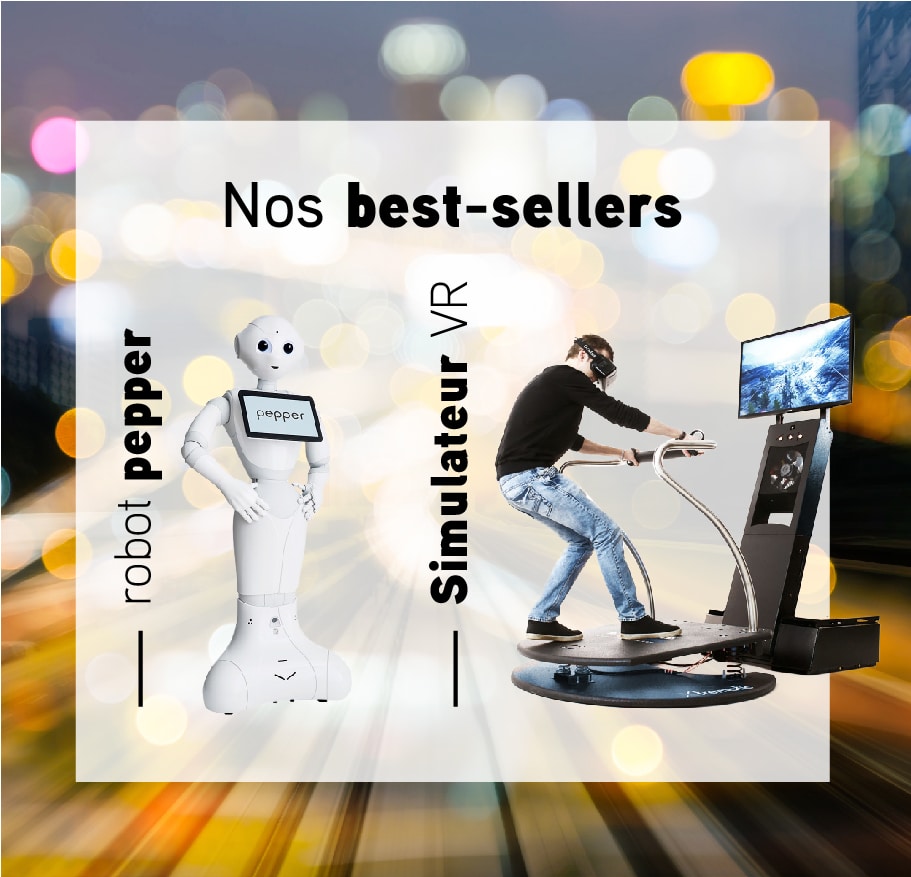
In today’s digital age, the use of new technologies is profoundly transforming teaching methods. LMS (Learning Management Systems) platforms play a key role in facilitating the creation and management of interactive courses. By integrating tools such as artificial intelligence or virtual reality, trainers can offer immersive experiences that encourage exploration and active assimilation. Moreover, software like Articulate Storyline or Adobe Captivate allows for the creation of rich multimedia content, tailored to various supports and learning preferences of users.