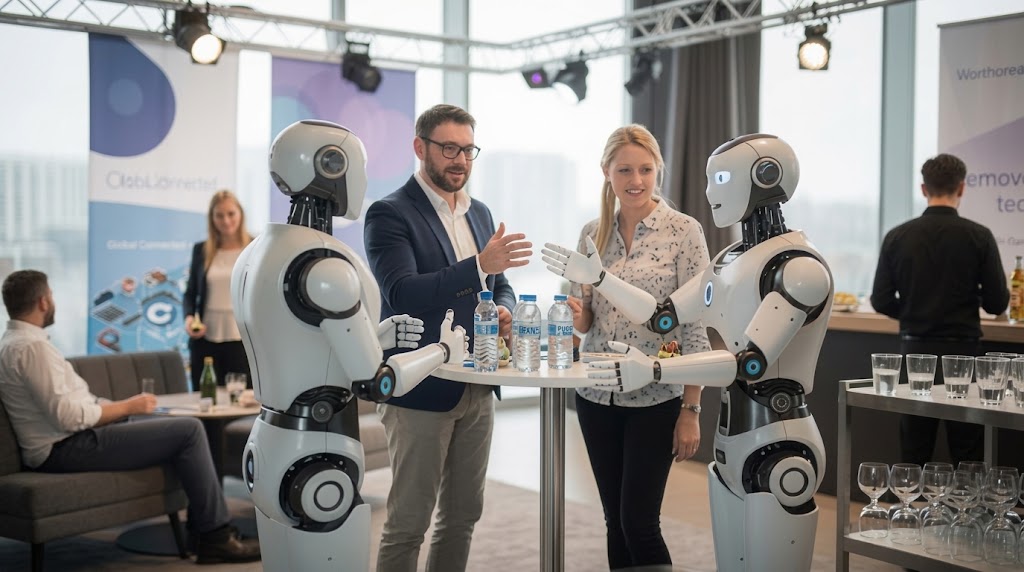
In the world of events, every detail counts. Event scenography stands out as a key element for creating memorable experiences. It combines art, technology, and spectacle to immerse participants in a unique universe. This article explores the multiple facets of event scenography and its impact on the success of events. We will discuss the differences with decoration, the innovative technologies used, and the essential steps for successful scenography. Whether you are organizing a gala, a product launch, or a conference, discover how scenography can transform your event. Dive with us into the fascinating world of event scenography.
What is event scenography
Event scenography is the art of transforming spaces to create living stories. Unlike simple decoration, it metamorphoses the environment into an immersive experience. By integrating light, sound, technology, and decoration, it awakens emotions and transports the audience into a parallel universe. This approach brings concepts to life, making each event unique and memorable. Event scenography relies on a deep understanding of the event’s objectives and the participants’ expectations.
From decoration to immersion: scenography vs decoration
The main difference between scenography and decoration lies in the depth of engagement. Decoration serves to beautify a space, while scenography tells a complete story. Each scenic element plays a role in the overall narrative of the event, creating an ambiance that engages the audience on an emotional level. This total immersion allows participants to fully experience the event rather than simply attend it.
Scenography and stage design: two visions of the same world
While event scenography focuses on creating universes for ephemeral moments, stage design caters to recurring performances such as theater or dance. Event scenography is designed for a specific moment and addresses specific problems, while stage design aims for reusability across multiple performances. Both disciplines share a creative vision but apply in different contexts.
Event success: why scenography is essential
Scenography plays a central role in the success of an event by transforming the perception of the space. It guides the emotions and reactions of the audience, defining the atmosphere and ensuring that every moment experienced is memorable. A well-thought-out scenography allows an ordinary event to stand out from an exceptional experience, leaving a lasting impression in the memory of the participants.
Captivating the audience: the subtle art of scenography
In an age where attention is a rare commodity, captivating the audience becomes a major challenge. Scenography, thanks to its ability to create unique and engaging environments, is the perfect tool to capture and maintain this attention. It invites participants to fully experience the event, making each experience memorable and meaningful.
Scenography: transforming every event into a unique experience
Scenography is not limited to aesthetics. It enriches every facet of the participant experience by transforming the space and playing with the senses. By combining visual, sound, and interactive elements, it amplifies the scope of the event, making it more lively and vibrant. This unique alchemy between the venue and the audience creates enduring memories and sensations.
The impact of scenography on the event industry
In a saturated event context, standing out is crucial. Scenography, by transforming an ordinary event into a memorable experience, becomes a valuable asset. It marks the difference between an ephemeral moment and a lasting impression, thus enhancing the overall impact of the event.
At the heart of the event experience
Scenography harmonizes the space with the theme of the event, creating an immersive atmosphere from the very first moments. A well-thought-out space fosters smooth interactions and effective communication of key messages. For organizers, this means plunging participants into a captivating story, making the event lively and interactive.
Leaving a lasting impression
A successful scenography leaves a lasting imprint in the memory of participants. It transforms shared moments into precious memories and reinforces the impact of the message conveyed. By choosing a strong concept that reflects the brand’s identity and the event’s objectives, scenography ensures a coherent and captivating experience.
Tips for impactful scenography
To ensure successful scenography, it is essential to understand your target audience. Identify their expectations and preferences to create an experience that resonates with them. Define a strong concept aligned with your company’s identity and the event’s goals. Integrate technology thoughtfully to amplify the impact of your scenography. Ensure thematic coherence where all elements converge toward a central theme, guaranteeing an immersive and memorable experience.
The advantages to remember:
- Reduction of energy costs
- Improvement of indoor comfort
- Enhancement of real estate value
- Compliance with environmental standards
- Facilitation of maintenance
The key stages of successful scenography
The success of event scenography relies on a deep understanding of art, technique, and event communication strategy. Start by clearly defining your objectives. Identify what you wish to achieve and the issues to resolve. This clarity will guide all future decisions regarding the design and layout of the space.
Next, know and understand your audience. Who are the participants? What are their expectations and preferences? This understanding will allow you to define the story to tell and the emotions to evoke, ensuring a truly resonant experience with your guests.
Finally, inspire without limits. Explore current trends, draw inspiration from art, architecture, and interior design. Embrace technological innovations and do not hesitate to think outside the box to find the spark that will make your scenography a unique moment.
Space optimization
Each venue has its unique character. Good scenography takes advantage of the available space by optimizing the layout to facilitate circulation and maximize space usage. The arrangement must be both aesthetic and functional, encouraging interaction and audience engagement. Whether it’s a modern conference room or an unusual space like the Palais de Tokyo, the important thing is to create modular zones suitable for different activities.
It is entirely possible to transform unusual venues such as guesthouses, gyms, or even parking lots into refined event spaces. This flexibility allows for diverse and surprising experiences for participants.
Leveraging new technologies
Digital innovations are revolutionizing event scenography. Technologies like video mapping, interactive holograms, and augmented reality offer unprecedented creative possibilities. These tools allow for the creation of dynamic and interactive environments, engaging participants in a completely new way. For example, 3D video mapping transforms three-dimensional surfaces into living screens, while augmented reality overlays virtual elements onto the real world, providing an immersive experience.
Interactive LED screens and RFID technologies also enable the personalization of the participant experience, creating unique and memorable interactions. The integration of these technologies into event scenography enriches the visual and interactive experience, making each event more captivating and innovative.
When scenography becomes narrative
At the heart of every successful event is a captivating story, told not only through words but also through the environment itself. Event scenography is a powerful visual storytelling tool, capable of effectively communicating the main message of the event. Every color, lighting, and spatial arrangement must be carefully chosen to reflect the theme and objectives of the event, thus guiding the emotions and attention of the participants.
This approach allows for the creation of an immersive narrative where participants become actors in the story, actively involved in the unfolding of the event. Transmedia storytelling, using multiple platforms and touchpoints, enhances narrative coherence and participant engagement, transforming the event into a rich and unforgettable experience.
Reinventing your event space with a scenographer
Hiring a professional scenographer is a strategic investment to transform a concept or idea into a memorable experience. A scenographer acts as the central pivot around which all aspects of the staging of an event revolve. With their expertise in materials, lighting, and technologies, they create captivating and engaging spaces tailored to the specific objectives of each event.
The scenographer transforms abstract concepts into tangible realities, skillfully navigating technical challenges and budget constraints. Every element, from the smallest to the largest, is orchestrated to contribute harmoniously to the overall experience, ensuring perfect cohesion between the message and its visual expression.
Bringing your events to life: the power of scenography
Scenography, with its ability to transform spaces and create atmospheres, is essential to the success of an event. It goes far beyond mere decoration by bringing a concept to life and telling an engaging story. By combining creativity, technological innovation, and a deep understanding of the event’s objectives and audience, scenography becomes a powerful tool to leave a lasting impression.
Through light installations, interactive spaces, and immersive decor, scenography enriches every aspect of the event experience. By investing in quality scenography, you not only ensure the success of your event but also create an emotional resonance and an unforgettable shared experience for your participants.
To learn more about the importance of innovation in scenography and discover inspiring examples, you can refer to this article on innovation. Additionally, to ensure coherence between your event and your company’s brand image, this guide can be very helpful.