Organizing a memorable event requires meticulous preparation, and beverage management is an integral part of that. Ensuring that each guest has enough drinks is essential for guaranteeing their satisfaction. Whether it’s a wedding, a birthday, or a corporate evening, accurately estimating quantities helps avoid surprises. This article guides you step by step in calculating the necessary drinks for 70 people. You will discover practical tips and proven tricks to optimize your supplies. Our recommendations will help you balance variety and quantity. Get ready to provide a friendly experience where every guest finds their happiness.
Types of Drinks to Consider
Before starting your calculations, it is crucial to determine the types of drinks you wish to offer. A well-balanced selection will cater to your guests’ various preferences. Among the most popular choices are alcoholic beverages such as wine, beer, and spirits like whisky or vodka.
Non-alcoholic drinks should not be overlooked. Plan for water, sodas, fruit juices, as well as tea and coffee to satisfy those who prefer alcohol-free options. Finally, consider special drinks like cocktails, punch, or customized hot beverages to add a unique touch to your event.
Estimation of Average Consumption per Person
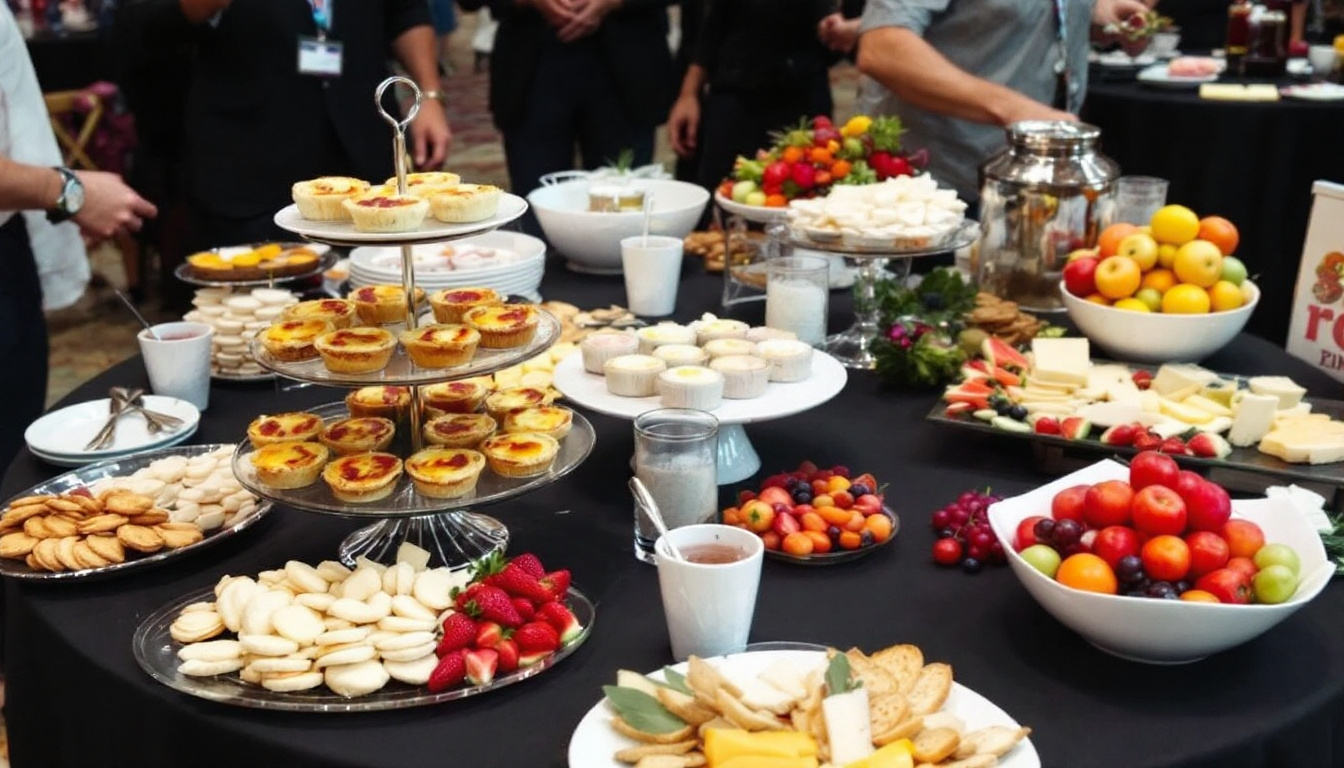
To calculate the number of drinks needed, it is essential to know the average consumption per person. While every guest is unique, general estimates allow for better planning. For alcoholic beverages, count on average 1 to 2 glasses per person per hour, adjusting according to the type of event.
For non-alcoholic drinks, plan for about 2 to 3 glasses per person over a duration of 4 to 5 hours. This estimate includes water, sodas, and fruit juices, thus providing refreshing diversity. Special drinks, such as cocktails, necessitate an estimate of 1 to 2 drinks per person per hour, taking into account the ingredients needed.
Precise Calculation of Quantities
With an average consumption in mind, you can now perform a precise calculation of the number of drinks for 70 people. For example, for alcoholic beverages, multiply 70 by 2 glasses per person per hour, then by the number of hours of the event.
For non-alcoholic drinks, multiply 70 by 3 glasses per person for a duration of 4 hours. Finally, for special drinks, multiply 70 by 2 drinks per person per hour, adjusting according to the duration of your celebration. Don’t forget to include a margin of error to account for any eventualities.
Tips for Effective Beverage Management
Beyond the calculations, a few practical tips will help you optimize your beverage management. First, don’t hesitate to seek the advice of an event professional. Their experience allows them to provide more accurate estimates based on the specifics of your party.
Moreover, offering a variety of drinks is crucial to satisfy all tastes. Combine alcoholic and non-alcoholic options, and offer special drinks to add a festive dimension to your event. Finally, keep your guests’ dietary restrictions in mind by offering suitable alternatives, ensuring a pleasant experience for everyone.
Management and Setup of Beverages
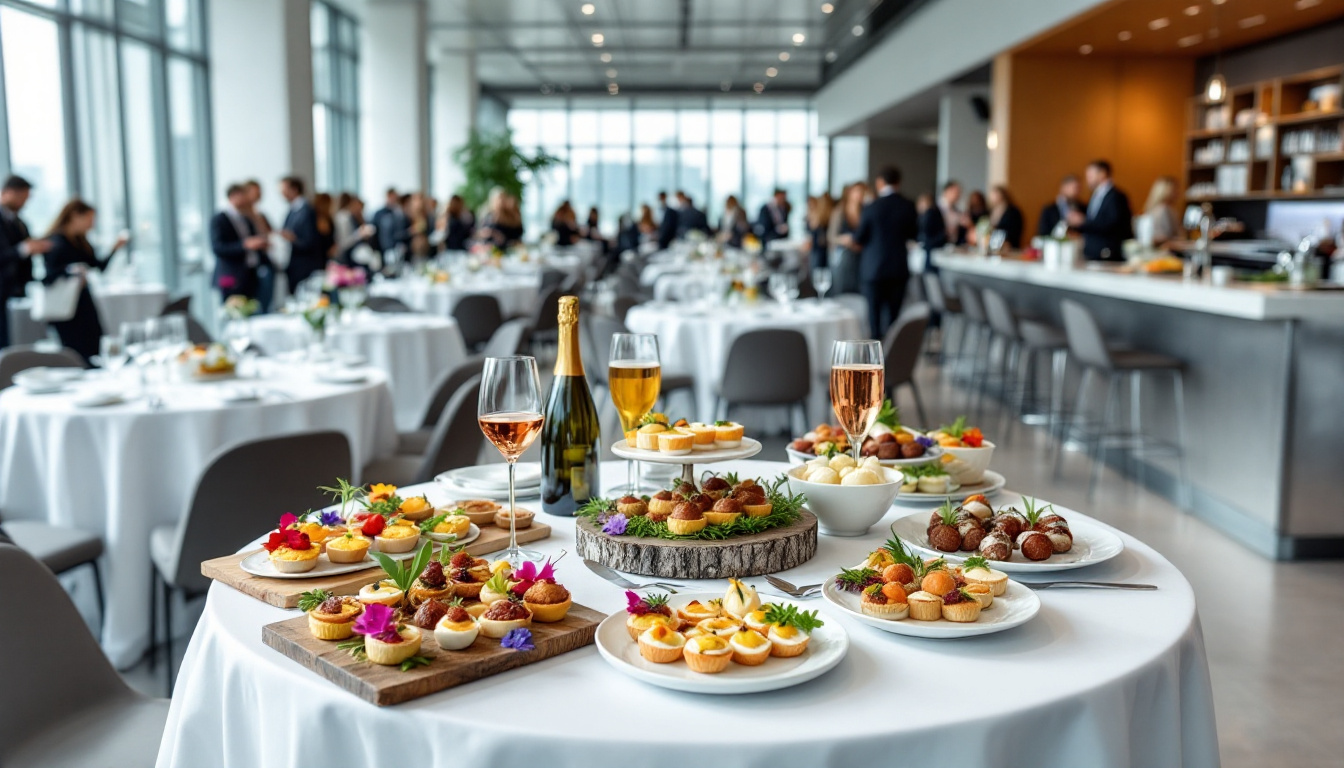
Once the quantities are determined, the management and setup of the drinks become essential for the smooth running of your event. Organize yourself beforehand by assigning clear responsibilities to your loved ones or servers. Specify the number of glasses per person to plan, based on your previous calculations.
Ensure you also have everything needed to prepare and serve the special drinks, including the necessary ingredients and appropriate tools. Plan for an additional margin of about 10% to cover unexpected occurrences and ensure that every guest finds satisfaction.
Examples of Calculation for 70 People
To illustrate these principles, let’s take the example of alcoholic beverages. If you plan for 2 glasses per person per hour for a 5-hour event, you will need:
- 70 people x 2 glasses x 5 hours = 700 glasses
In terms of bottles of wine, knowing that a 75 cl bottle serves about 6 glasses, you will need:
- 700 glasses ÷ 6 = about 117 bottles of wine
For beer, if you estimate 1 liter per person, that would correspond to:
- 70 liters of beer for 70 people
These figures can be adjusted based on specific preferences and the duration of your event.
Integration of Technologies and Resources
The use of smart technologies can greatly facilitate the planning of your event. Online tools can help manage inventory and track consumption in real time. For example, explore the latest innovations in the event field by checking our recap of technological news.
To secure your guests’ data, it is crucial to rely on robust solutions. The securing of data is an aspect not to be overlooked when organizing any event.
Furthermore, innovative platforms like Braindate can enrich your guests’ experience by promoting exchanges and interactions.
Preparing for the Unexpected
In any planning, it is essential to anticipate the unexpected. Good beverage management includes a safety margin to avoid any shortages. An increase of 10% in the calculated quantities is good practice to compensate for higher consumption than initially foreseen.
Additionally, keep an eye on real-time consumption and be ready to adjust your supplies if necessary. This may include restocking beverages or adding new options based on guests’ requests.
Optimizing Your Budget
Managing beverages while sticking to a budget can seem complex, but a few optimization strategies can help you. Prioritize the most requested drinks and choose suppliers offering the best value for money. Compare prices and take advantage of great deals to reduce your expenses without compromising quality.
Also plan according to promotions, such as those offered during Black Friday 2024, to save additional money. Careful management of your budget will allow you to provide sufficient drinks while controlling your costs.
By following these tips, you will be perfectly prepared to estimate and manage the necessary quantities of drinks for your 70 guests. Careful organization ensures a pleasant and unforgettable experience for all your attendees. Don’t wait any longer to implement these strategies and make your event a true success. To stay informed of the latest trends and event tips, explore our other articles and resources available online.