
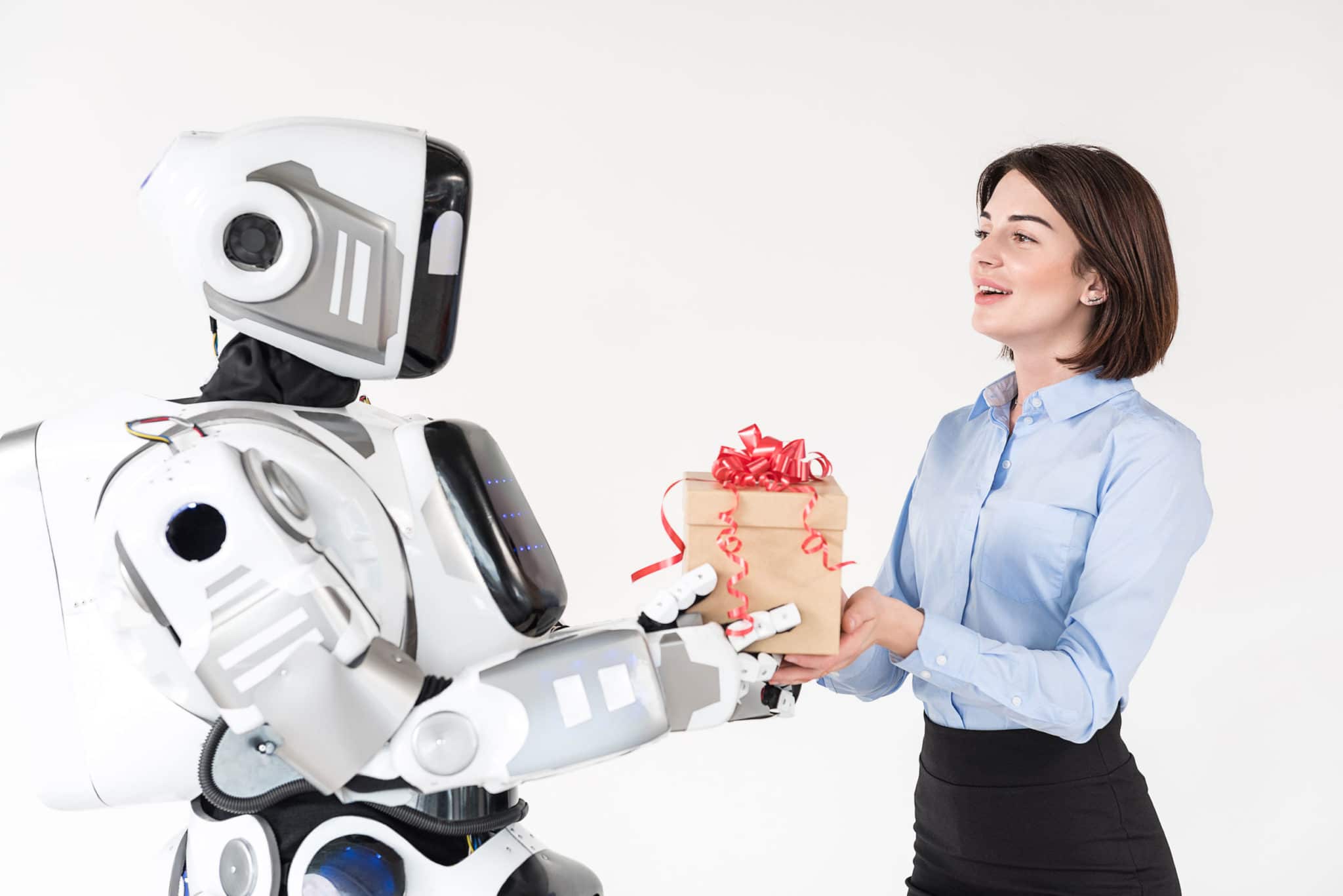

A robot in the guise of the big bad guy is mainly found in cinema. Often, forms of artificial intelligence (AI) embody roles that make them fall to the dark side. So it is not surprising that after i-Robot, A.I., or War Games, few people still imagine trusting a robot. But while the fear inspired by AI is as old as the world, here are proven facts that help debunk these preconceived notions about the evil robot.
A robot is capable of feeling and can become evil
In books and films, robots alternately play roles of sidekicks, villains, or protagonists as seen in some works of science fiction. Dangerous ideas, such as attributing feelings to robots, are making their way, risking to blur the apprehension of boundaries between humans and objects.
As a creation of man, a robot feels no emotion, because if it did, it would be unpredictable and potentially evil and dangerous. This is true even if it is equipped with artificial intelligence. Moreover, in the absence of a nervous system and self-awareness, it is illogical to project feelings onto machines. And yet, we still find ourselves doing so by empathizing with the fate of a wounded robot, for example.
Robots pose a danger to humans
Nurtured by Hollywood films, the myth of the evil robot persists and evokes both fascination and fear. A fear generated by the association of this machine with destruction, notably. In our minds, we visualize the robot as a villain, given that we often see it playing the bad role. Thus, instead of imagining apocalyptic scenarios triggered by AI, it is essential to differentiating reality from the echoes conveyed by the media.
Indeed, robotic technology has many uses, such as saving lives. It is also widely used in research and development. Robots play a crucial role in surgical operations and rescue missions. Nanorobots aimed at enhancing the fight against bodily diseases are even in the research phase.
Robots: more intelligent than humans?
It is true that the advancement of artificial intelligence is such that we fear it may one day surpass us. It is even present where we least expect it. A robot that conducts a symphony orchestra, or that imitates a president’s signature, are among the many examples. By consistently pushing their own limits, AI developers manage to sharpen its functionalities to the point where it is legitimate to question how much robots will be able to understand our world.
However, even if robots decisively beat world champions in chess or other mental competitions, complex intelligence is unique to humans. We are capable of learning from our mistakes, reacting to unknown situations, etc. All these realms are still beyond the mastery of robots.
Too intelligent, a robot can rebel and be evil
Many cultures around the world believe that creating life ex nihilo exposes one to a curse. An idea that many screenwriters explore to animate films. In reality, a robot is a companion of life or a hero of humanity. Given that we are far from the level of autonomy required for any form of revolt, the probability of rebellion from robots does not exist. But should that occur, it would be partly our fault. This is further proof that many films and books can convey erroneous ideas about our mechanical companions.
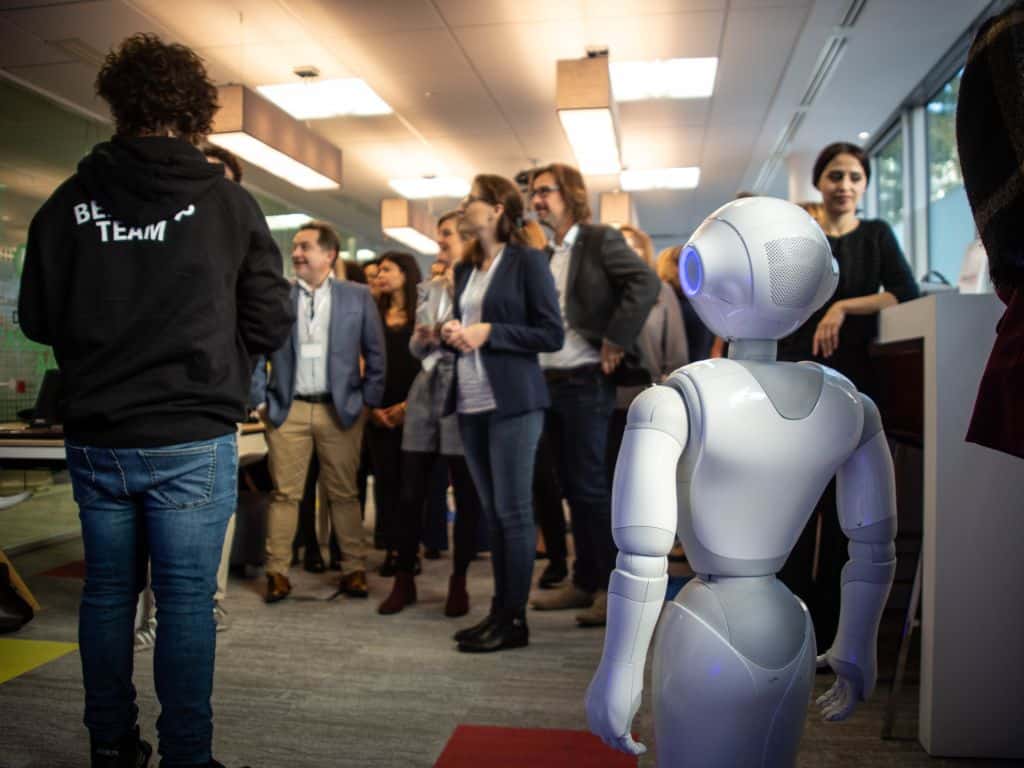
A robot is not one without a humanoid form
In feature films, robots are always given human traits like a face, arms, and legs. But they do not necessarily need to follow a particular model to be robots. By nature, a robot is a machine capable of doing the work of humans. Despite the success of the humanoid form, it does not always fit the task at hand, and one could quickly run into size-related issues.
Just think of your household robot or your lawn mowing robot. According to experts, one may have some apprehensions about robots that tend to resemble us too closely. This would simply stem from the fact that they threaten our sense of identity.


